
All on 4 and All on 6 — two paths to new teeth
Both methods serve the same goal: durable reconstruction of the full dental arch on implants, with the possibility of fixing permanent teeth on the day of surgery. The difference comes down primarily to the number of implants and the biomechanical consequences that result from this. All on 4 uses four implants, while All on 6 uses six support points. This might seem like a small difference, but it has concrete implications for stability, distribution of chewing forces, and prosthetic possibilities.
Surgeon experience is the foundation for choosing the method.
Dr Paweł Sawicki — maxillofacial surgeon with over 12 years of experience and over 2000 implantology procedures performed — selects the number and position of implants individually, based on CBCT analysis. In the most difficult cases, he uses extra-maxillary anchoring (zygomatic and pterygoid implants), which extends treatment possibilities far beyond standard protocols.
How are implants positioned in each method?
In the All on 4 protocol, two front implants are placed vertically, while the two back implants are placed at angles up to 45°. The angled positioning of the back implants allows anchoring in naturally available bone, bypassing anatomical structures such as the maxillary sinus or the mandibular nerve canal. This means that in many cases, the procedure can be performed without the need for bone augmentation.
In the All on 6 variant, two additional implants are added — usually at the position of the last molars, which ensures better distribution of chewing forces along the entire arch. The greater number of support points translates to higher stability of the entire prosthetic structure. This is especially important in the maxilla, where bone is less dense than in the mandible.
Comparison: All on 4 vs All on 6
All on 4
4 implants per arch. Works especially well in the mandible, where bone is dense and stable. Lower initial cost due to fewer implants.
All on 6
6 implants per arch. Better distribution of chewing forces, higher safety margin. Preferred in the maxilla, where bone conditions can be more challenging. Enables a longer bridge covering the full dental arch.
What determines the choice of method?
The decision between All on 4 and All on 6 is not universal — it depends on the patient's individual anatomy. Key factors include: quantity and quality of available bone, location (maxilla or mandible), bite force, and prosthodontic expectations. In Dr. Sawicki's practice, the treatment plan is determined based on CBCT imaging and digital simulation of implant positioning — before the procedure even begins.
Treatment Results
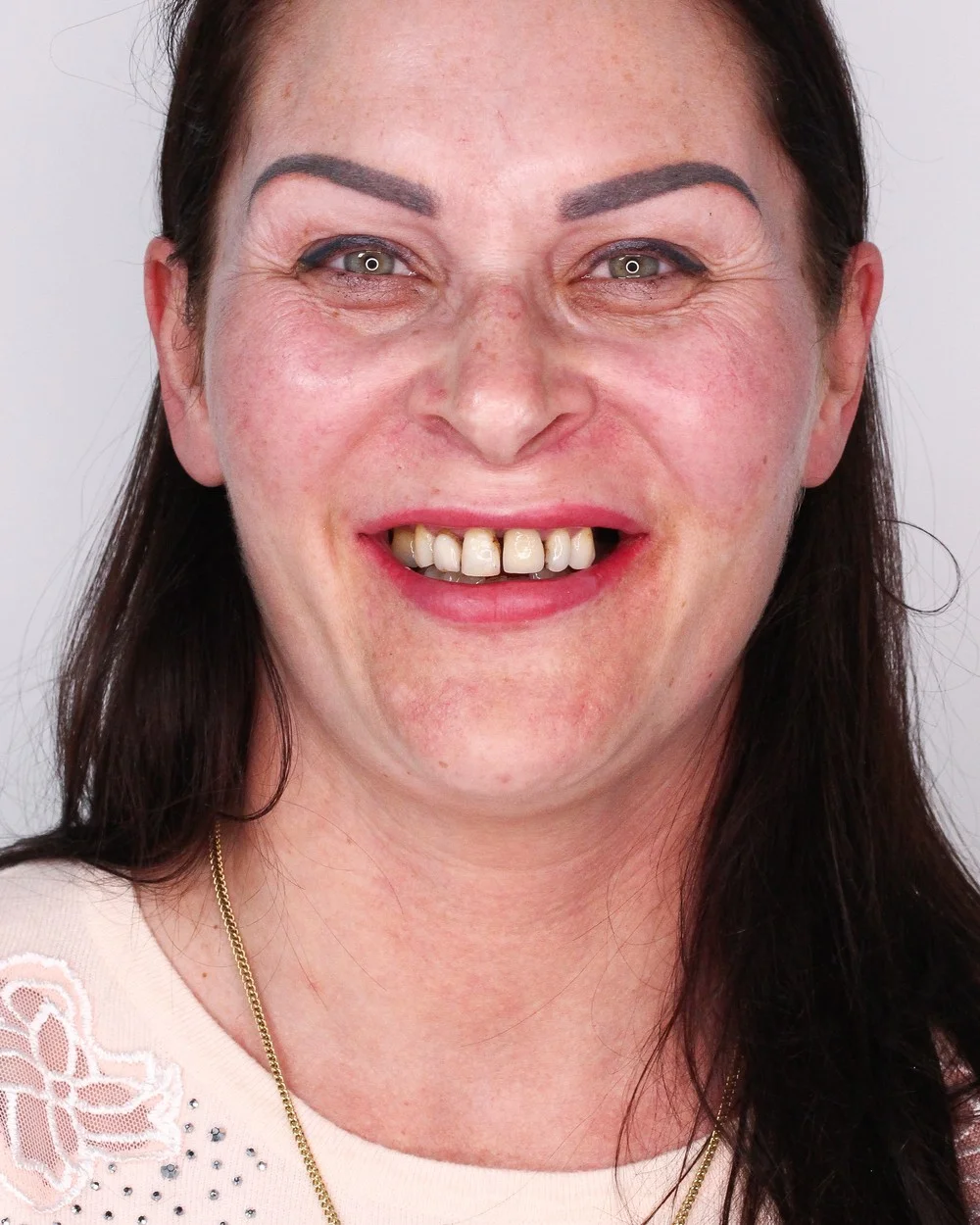
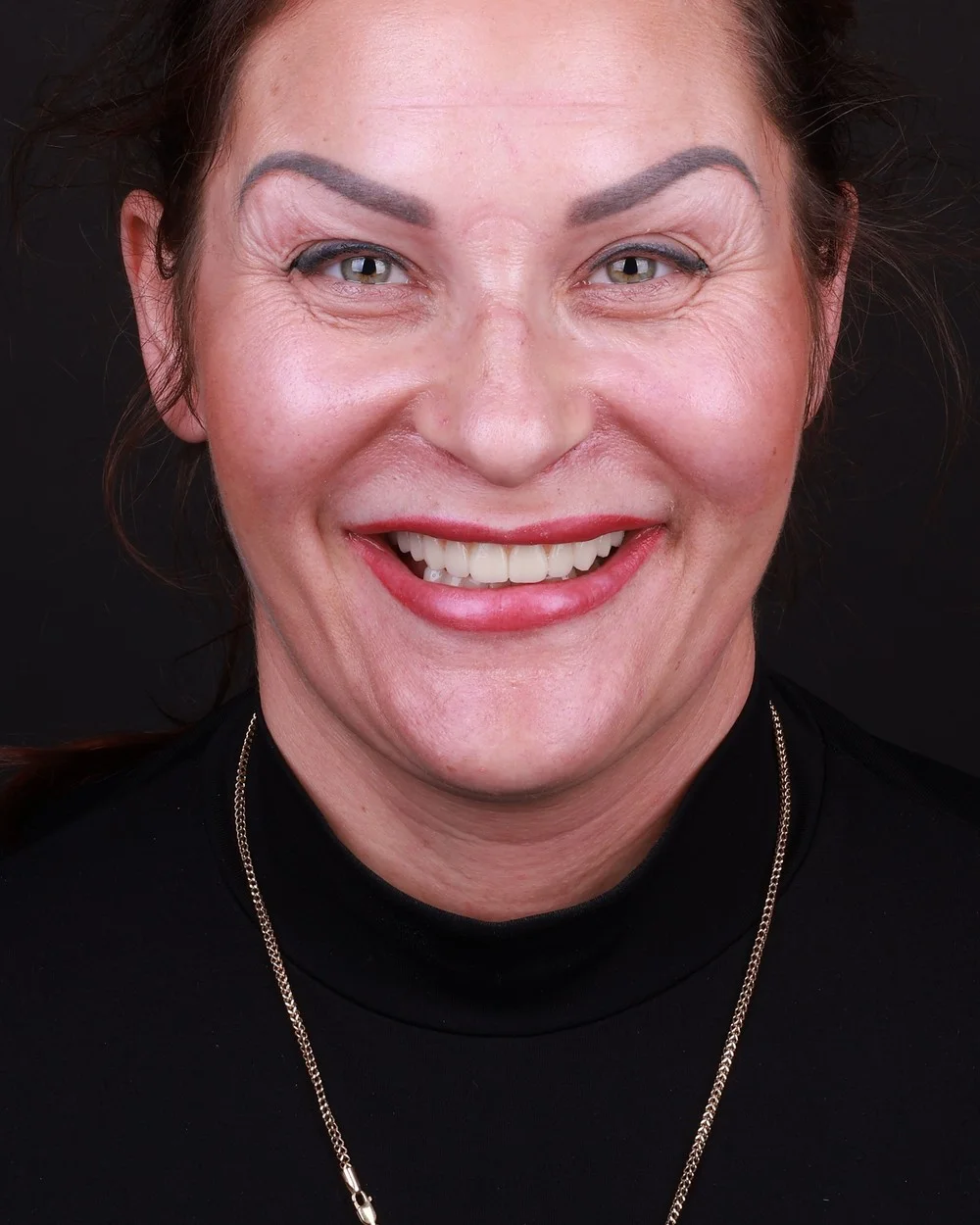
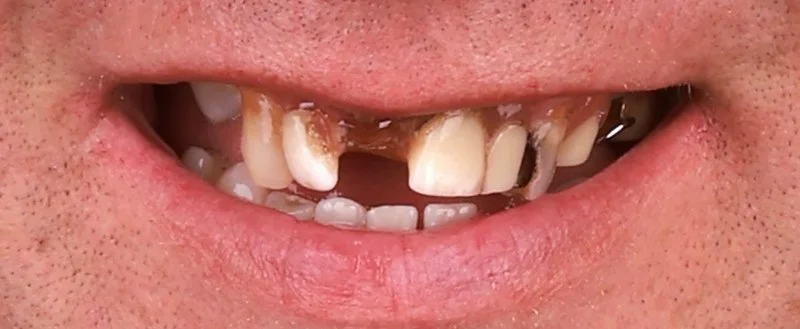
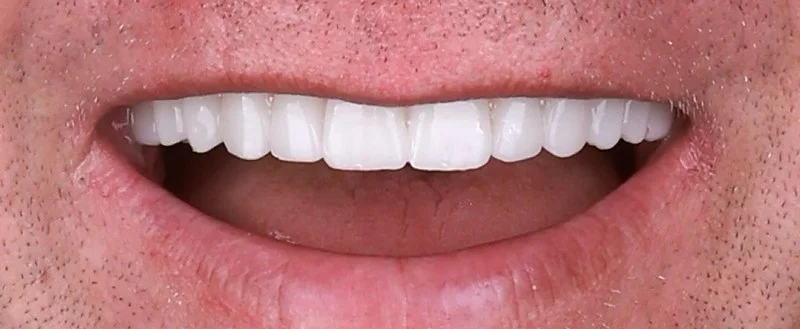
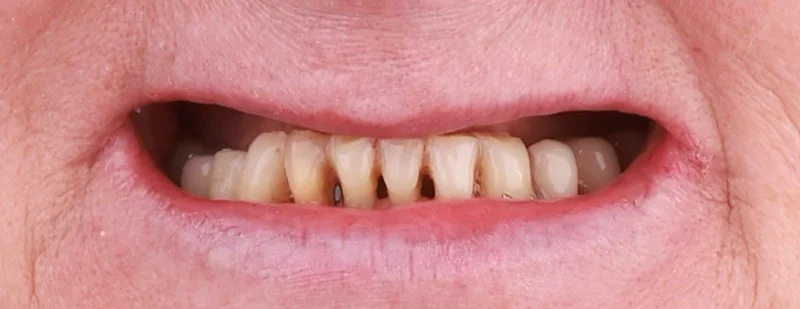
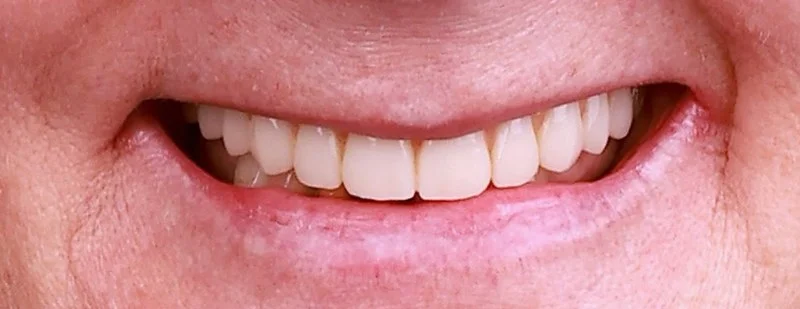
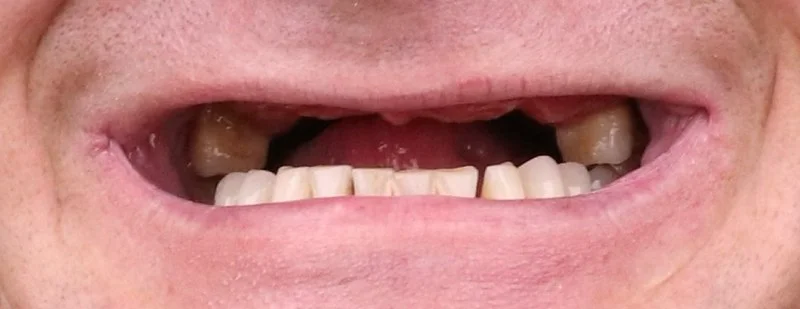
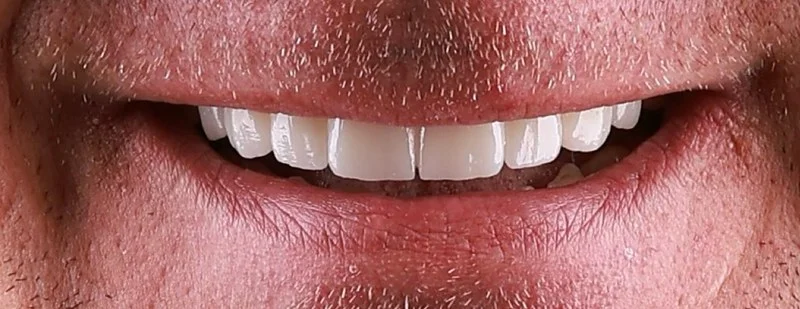
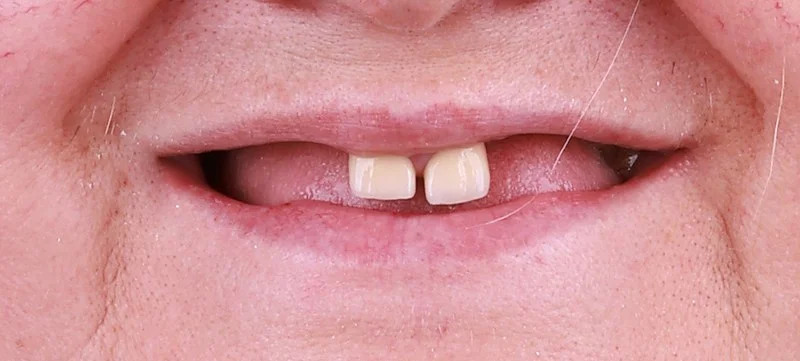
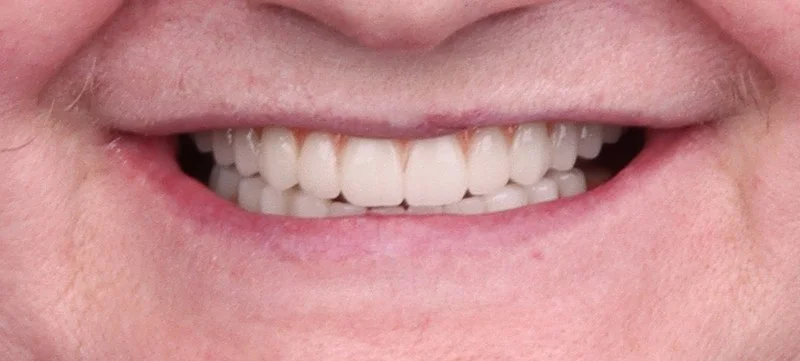
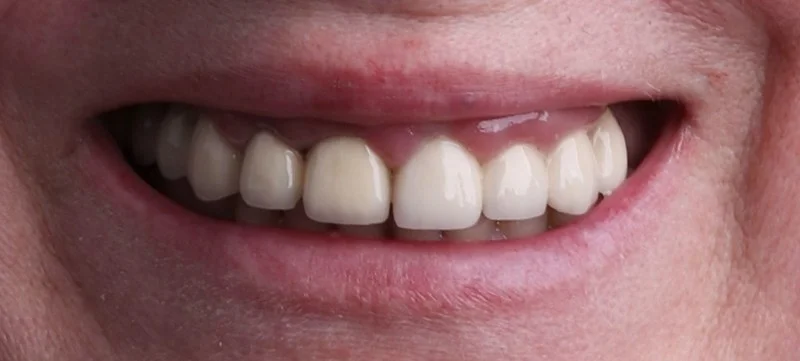
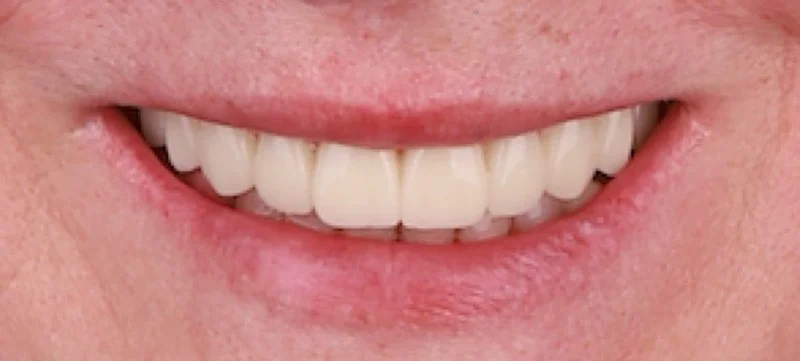
Presented treatment results relate to individual cases. Results may vary depending on the patient's clinical situation.
How does the procedure work?
- Consultation and diagnostics Clinical examination, CBCT imaging, analysis of bone conditions. Discussion of treatment plan, expectations, and possible options. Digital planning of implant positioning.
- Day of surgery — implant placement Tooth extraction and implant insertion under effective local anesthesia. The procedure takes 1.5 to 2.5 hours per arch. Precise implant positioning according to the previously created digital plan.
- Day of surgery — prosthetics On the same day, the prosthodontist and laboratory team prepare a temporary bridge, which is then secured to the implants. The patient leaves the office with a complete set of teeth.
- Osseointegration period Over the next 3–6 months, the implants fuse with the bone (osseointegration). During this time, the patient functions normally with the temporary bridge, following a soft diet.
- Final prosthetic work After confirming complete osseointegration, the temporary bridge is replaced with the final prosthetic work — precisely fitted for aesthetics, bite, and comfort.
Who is the All on 4 or All on 6 method suitable for?
Full arch reconstruction is intended for patients with complete or nearly complete tooth loss, as well as for people with extensive tooth damage, where individual implants do not constitute the optimal solution. This applies to:
- patients wearing removable dentures who are looking for a permanent solution
- people with advanced periodontal disease and loose teeth
- patients with bone loss who would require extensive bone grafts for conventional implant treatment
- people who want to avoid prolonged multi-stage treatment
Extra-maxillary anchoring — the most difficult cases
In situations of extreme bone loss, when standard implants lack sufficient support, Dr. Sawicki uses advanced extra-maxillary anchoring techniques. Zygomatic implants are anchored in the zygomatic bone, and pterygoid implants are anchored in the pterygoid process of the sphenoid bone. This makes it possible to perform full arch reconstruction even in patients who have been refused implant treatment by other centers.
Frequently Asked Questions
Is All on X surgery painful?
The procedure is performed under local anesthesia and is completely painless. After surgery, mild discomfort and swelling are normal, which we manage with pain medications. Patients return to daily activities within a few days.
How long does healing take?
The first days after surgery are part of the natural regeneration process. The temporary bridge allows normal function from day one. Full implant integration with bone takes 3–6 months. After that, we place the definitive bridge.
Can everyone have All on X?
We make the decision after careful CBCT analysis and assessment of overall health. All on X method is suitable for most patients, even with significant bone loss, thanks to the ability to place implants at specific angles.
How much does All on X treatment cost?
Treatment cost depends on individual clinical situation and the type of definitive bridge chosen. During consultation, we present a detailed treatment plan with pricing. We offer payment installments through our partnership with MediRaty.
How long does an implant bridge last?
A properly made and maintained bridge on implants can last many years, even a lifetime. Regular home hygiene (brushing, water irrigator) and regular checkups are key.
What does maintenance look like?
Daily maintenance involves regular brushing with a soft-bristled toothbrush, using a water irrigator and dental floss. We recommend regular checkups and professional cleaning.
Is All on X a permanent solution?
Yes — it's one of the most durable and comfortable prosthetic solutions that effectively replaces natural teeth in terms of function and aesthetics.